MONTH 01
The Workplace Wasn’t Built Equally
Historical foundations of women in the workplace; traditional gender roles; how workplace norms were formed; how old assumptions continue inside modern organizations.
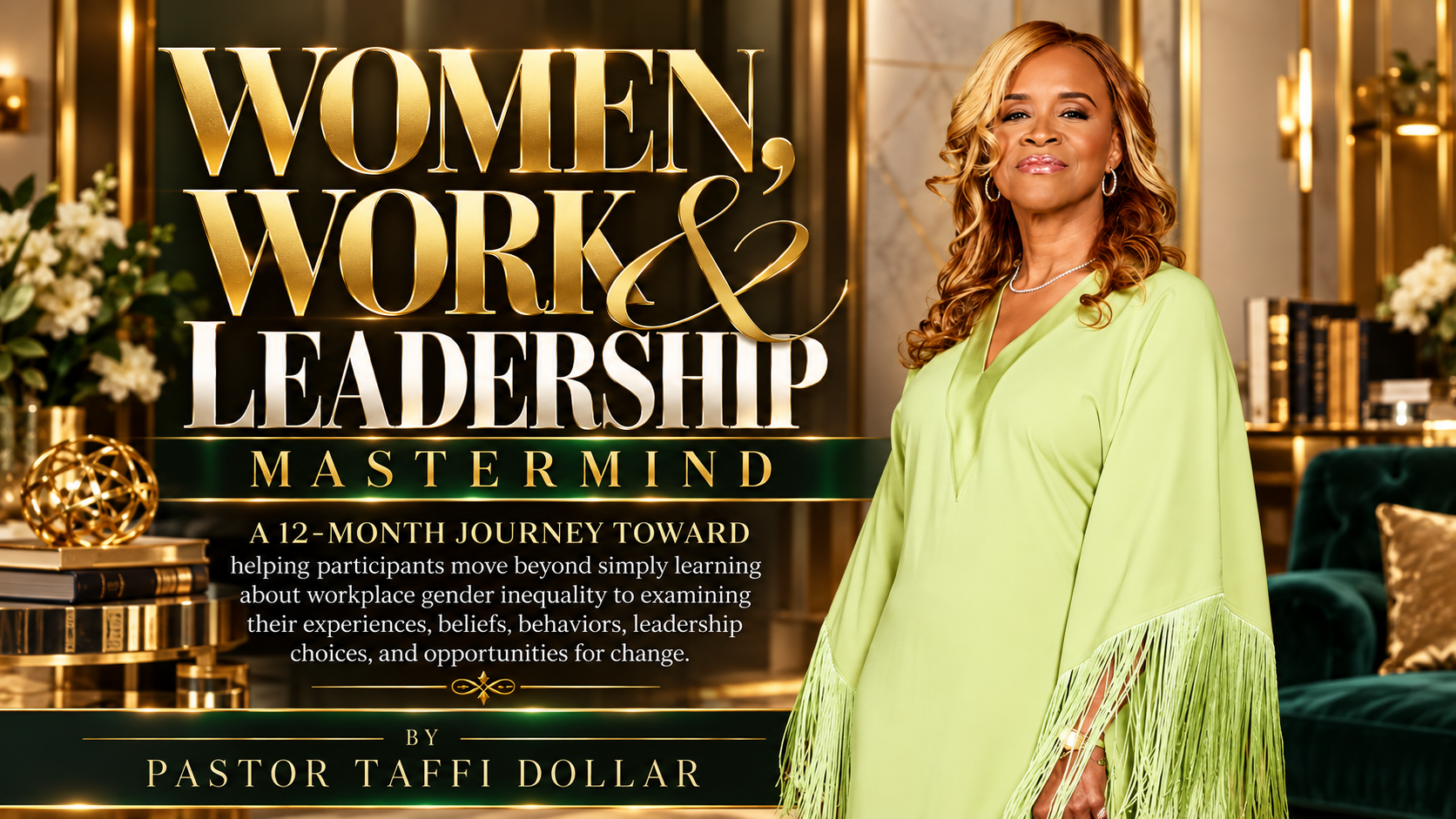
Core premise: Understanding why gender inequality persists, how it affects organizations and individuals, and how women and workplace leaders can actively change the systems, behaviors, and beliefs that sustain it.
JOIN THE MASTERMIND →A year-long exploration of workplace gender inequality, leadership, value, voice, influence, sponsorship, organizational change and the future of equal leadership.
Historical foundations of women in the workplace; traditional gender roles; how workplace norms were formed; how old assumptions continue inside modern organizations.
Conscious and unconscious bias; stereotypes about competence, authority, ambition, emotion, likability and leadership; how the same behavior can be interpreted differently in men and women.
Why women remain underrepresented in senior leadership; promotion patterns; access to influential assignments; informal networks; sponsorship vs. mentorship; barriers to executive advancement.
How inequity affects recruitment, retention, innovation, engagement, decision-making and organizational culture; why gender equality should be viewed as a business and leadership issue—not simply a women’s issue.
Self-worth vs. professional worth; internalized gender expectations; perfectionism; over-qualification; reluctance to self-promote; asking permission; fear of being perceived as difficult or overly ambitious.
Speaking with authority; communicating ideas; disagreeing professionally; handling interruptions; presenting to executives; eliminating unnecessary apologizing and qualifiers; becoming comfortable being visible.
Asking for raises; negotiating compensation; promotion conversations; knowing market value; documenting accomplishments; negotiating title, authority, resources and opportunities—not simply salary.
Understanding organizational power; formal vs. informal influence; building strategic relationships; navigating workplace politics without compromising personal values; identifying decision-makers and power networks.
Why mentorship alone is insufficient; developing sponsors and advocates; building networks across gender and seniority; women supporting women; avoiding competition created by scarcity thinking.
Authentic leadership; boundaries; emotional intelligence; resilience; balancing strength and empathy; overcoming the expectation that women must be simultaneously powerful, agreeable, available and accommodating.
What executives, managers and organizations can change: hiring, promotion, compensation, succession planning, parental policies, leadership development, accountability and measurement.
What genuine workplace equality looks like; the responsibility of women, men and organizational leaders; developing the next generation of female leaders; creating an individual and organizational action plan.
Move beyond simply learning about workplace gender inequality to examining experiences, beliefs, behaviors, leadership choices and opportunities for change.
JOIN THE MASTERMIND →